Spectroscope: principle of coaxial light
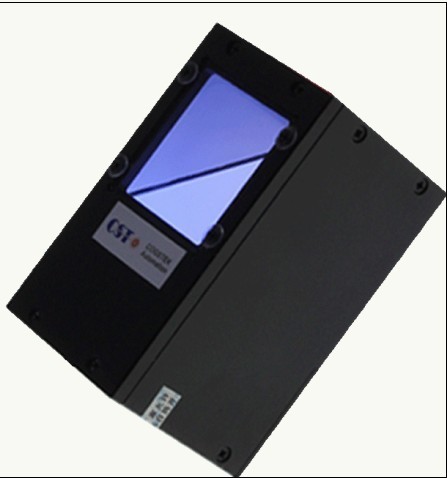
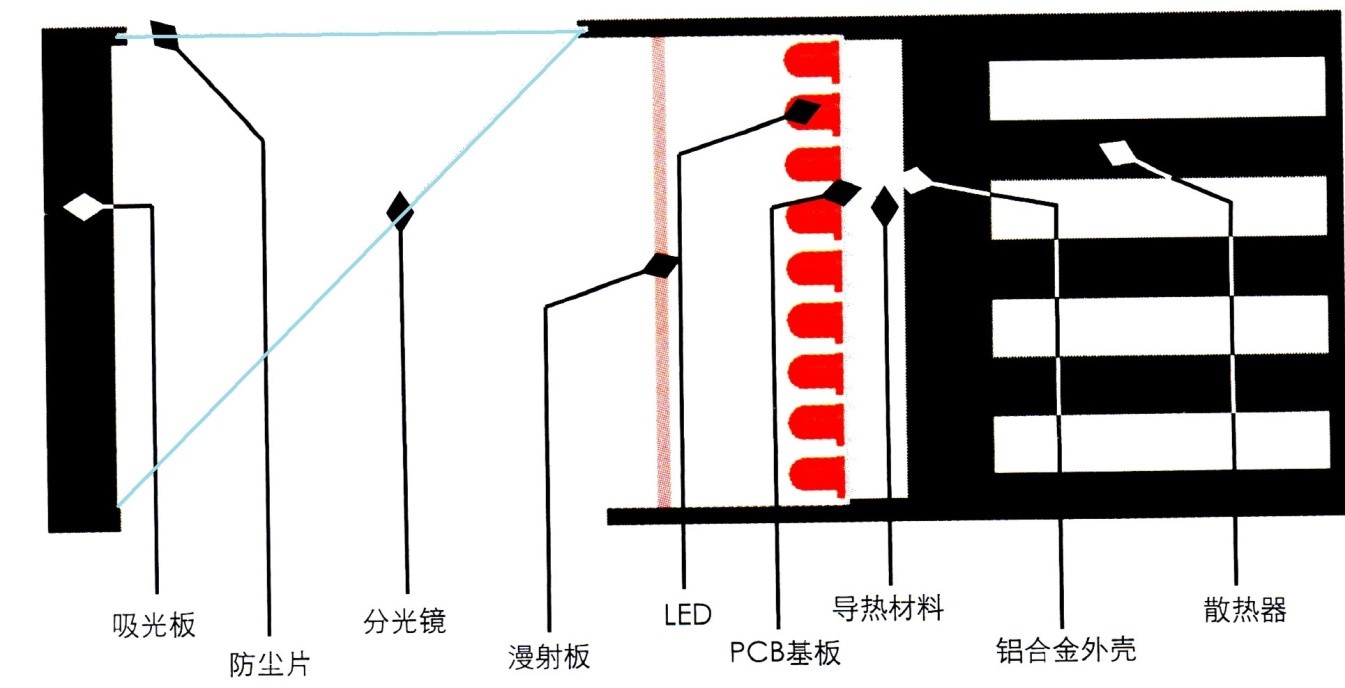
The so-called spectroscope is actually a semi transparent and semi reflective glass. When light shines on the spectroscope, half of the light will pass through the spectroscope and half of the light will be reflected out. “ Half transparent and half reflective glass; A simple model is to take an ordinary but very thin mirror and drill many small holes evenly on it, so that the total area of the holes reaches half of the original mirror surface area. This is semi transparent and semi reflective glass! Of course, the actual process is not that complicated, but the principle is like this.
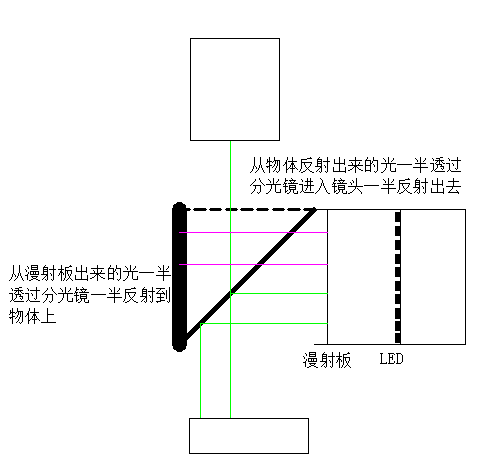
Spectral loss diagram
As shown in the figure, the light from the LED comes to this 45 degree semi transparent and semi reflective glass, and half of the light directly passes through the small hole and illuminates the left wall. This part of the light does not enter the camera and has no impact on imaging; The other half of the light is reflected off the mirror and directed onto the object below The light reflected from the object reaches the 45 degree semi transparent and semi reflective glass, and then half of the light directly passes through the small hole and shines on the camera above, which is used for imaging; The other half of the light reflects back to the LED light on the right side, and this part of the light has no effect on imaging If the tested object below is replaced with a horizontally placed ordinary mirror, only 1/4 of the light from the LED will eventually reach the camera! If you want clear images, you have to pay the price of brightness! So, LED light sources need to be four times brighter than ordinary light sources to ensure that the captured images have the same brightness.