Are filter and dimming film the same thing
Filters and dimmers, although their names may sound similar, are actually two different optical components. This article will delve into the working principles, uses, and differences between these two components.
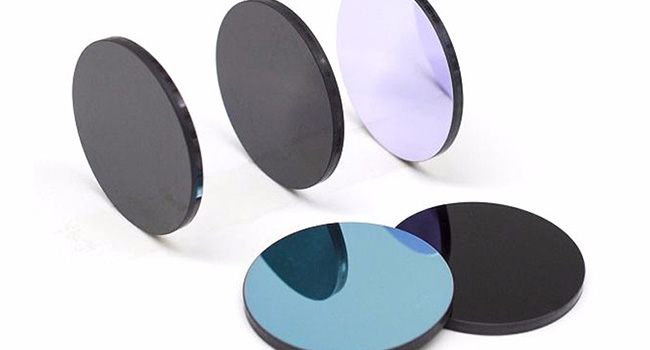
Firstly, let's take a look at the filter. A filter, also known as a color filter, is an optical component that selectively allows light of a specific wavelength to pass through. They are usually composed of multiple layers of thin films, each with a specific refractive index and thickness, in order to perform specific processing on the passing light. The main function of a filter is to filter light, remove unwanted wavelengths, thereby improving image quality or achieving specific optical effects.
Filter is widely used in fields such as photography, videography, optical instruments, medical equipment, etc. In the field of photography, filters can help photographers control exposure, improve image contrast, reduce glare, and even change the color tone and saturation of the image. In the field of scientific research, filters are used to screen specific spectral ranges so that scientists can study the effects of specific wavelengths of light on matter.
Next, let's take a look at the dimming film. Dimming film, also known as shading film or light blocking film, is an optical component that can block light. They are usually made of opaque materials such as metals, or composed of multiple layers of thin films to achieve specific optical properties. The main function of a dimming film is to reduce or completely block the passage of light of specific wavelengths.
Dimming film has applications in many fields. For example, on the front windshield of a car, dimming panels are usually installed to reduce direct sunlight and improve driver safety. In photography and videography, dimming film can be used to reduce the entry of light, thereby controlling exposure and improving image contrast. In optical instruments, dimming film can be used to block unwanted light and improve the performance of the instrument.
Now, let's take a look at the main differences between filters and dimmers. Firstly, their working principles are different. Filters achieve their function by selectively allowing light of specific wavelengths to pass through, while dimmers achieve their function by blocking light. Secondly, their purposes are also different. Filters are mainly used to filter light, improve image quality, or achieve specific optical effects; Dimming film is mainly used to reduce or block light, in order to improve visual experience or enhance device performance.
Although filters and dimmers have different functions and uses, they are both important components of optical components and have a wide range of applications in many fields. Understanding the characteristics and uses of these two components can help us better understand optical principles and how to effectively utilize them to improve our lives and work.